
Japan Trip from UAE: Flights, Itinerary & Travel Guide 2026
Updated:
Japan from the UAE: choose a manageable family route
Start with Tokyo, Kyoto and Osaka, then choose the number of nights around your group’s pace. The nine-night example below includes proper transfer days and does not try to fit every famous destination into one trip. With less time, remove a region or an optional day rather than squeezing the same activities together.
See Kafu’s Japan destination guide for planning context.
Compare the commercial route in the Japan 8-night package from Dubai.
For flight-duration comparisons, use the Dubai flight-times guide.
Japan from the UAE at a glance
Flight time from Dubai to Tokyo: roughly 9 hours 40–55 minutes nonstop on currently listed Emirates schedules.
Best first-time route: Tokyo + Kyoto + Osaka for 7–10 days.
Spring: cherry blossoms and very high demand.
Autumn: comfortable weather and fall colours.
Winter: strong for snow, hot springs and ski add-ons.
For families: keep hotel changes limited and use major rail corridors rather than adding too many cities.
How many hours is Japan from Dubai?
Emirates’ published route pages checked on 16 September 2026 list Dubai–Haneda at about 9 hours 40 minutes and Dubai–Narita at about 9 hours 55 minutes. These are schedule examples, not a promise for every date. Compare the operating flight, airport transfer, baggage and arrival time before booking.
Emirates Dubai–Haneda schedule · Emirates Dubai–Narita schedule
Arrival-day planning for Japan from the UAE
Section reviewed 19 September 2026. These checks supplement the flight-duration examples above; they do not replace your airline’s confirmed schedule or establish transport availability, hotel check-in rights or prices.
How do I match the flight date to my first hotel night?
Japan uses one time zone, nine hours ahead of GMT, with no daylight-saving changes. Read the local arrival date and time on your ticket rather than calculating journey length by subtracting the departure and arrival clock times. Put airport arrival, pickup and expected hotel arrival on the same dated plan, especially when any step falls after midnight.
Official source: JNTO’s Japan planning guide — time zone.
Kafu planning recommendation: ask the hotel to confirm which booked night covers your expected check-in. Do not assume early check-in is included. When considering a room from the previous night, confirm the after-midnight arrival directly with the property and how it will hold the room. Separate confirmed room access from luggage storage, and keep the first day flexible rather than promising sightseeing immediately after landing.
Can I rely on a train or bus after a late Tokyo arrival?
Check the specific terminal, destination and travel date. Haneda’s official bus page lists selected late-night and early-morning services, so a blanket claim that all public transport stops at midnight is inaccurate. That does not mean every hotel has an overnight connection. Narita separately lists terminal-area access hours; an airport area being open is not confirmation that your onward train or bus is running.
Official sources: Haneda airport bus routes and late-night services; Narita terminal use at night and early mornings.
Kafu planning recommendation: allow for immigration, baggage collection and the journey to the stop before choosing a departure. For an arranged pickup, confirm the flight and terminal, meeting point, waiting allowance, delay policy, luggage and child-seat needs, plus any late-night charge. Agree on a fallback before travel; neither a scheduled landing time nor this guide guarantees catching a particular service.
Use the Kafu package-inclusions guide to record which arrival transfer and first-night arrangements are actually included in your quotation.
What is the best time to visit Japan?
Japan works year-round. The Japan National Tourism Organization describes spring as cherry-blossom season, autumn as a strong period for foliage and comfortable sightseeing, and winter as the season for snow, hot springs and winter sports. Spring and other peak periods can be crowded, so book early.
Official Japan travel FAQ · Japan planning tips
Japan packages from Dubai and the UAE
Choose the number of nights before comparing prices. Kafu’s dated October 2026 Tokyo–Kyoto–Osaka campaign is seven days and six nights. The separate reference package is eight nights. This guide’s family example uses ten local days and nine nights. These are three different planning choices, not three descriptions of the same offer.
Compare the October 2026 Japan offer — six nights with the Japan reference itinerary — eight nights. The October page is an enquiry-only campaign: its campaign period does not confirm a departure date, a seat or a room. Ask for current availability and written terms for your actual dates.
Do not carry a price or inclusion from one duration into another. Request the night allocation in each city, arrival and departure airports, room arrangement for the children’s ages, intercity tickets, transfers, meals and tours. A shorter three-city stay leaves less room for the recovery days in the nine-night example; remove optional activities or extend the stay rather than assuming every example fits.
Package-duration and link comparison checked 17 September 2026 against the existing Kafu offer pages. This comparison is not a live quotation; the other sections retain their stated review dates.
Frequently asked questions
What is the best route for a first Japan trip from the UAE?
Tokyo, Kyoto and Osaka is the strongest first-time route because it combines modern Japan, history, food and efficient transport without requiring too many hotel changes.
Is 7 days enough for Japan?
Seven days can work for Tokyo plus Kyoto/Osaka, but 9–10 days gives a much more comfortable pace, especially for families travelling from the UAE.
Do UAE residents need a Japan visa?
UAE nationals holding valid ICAO-compliant ordinary ePassports are currently visa-exempt for short stays in Japan of up to 90 days. UAE residents travelling on other passports must check the rule for their own nationality; eligible non-exempt residents may be able to use Japan eVISA. Recheck Japan’s official Ministry of Foreign Affairs guidance before travel.
Planning a Japan trip from UAE can be an exciting adventure. This guide will help you with all the information you need, including flight details, visa requirements, and budgeting tips to make your vacation unforgettable.
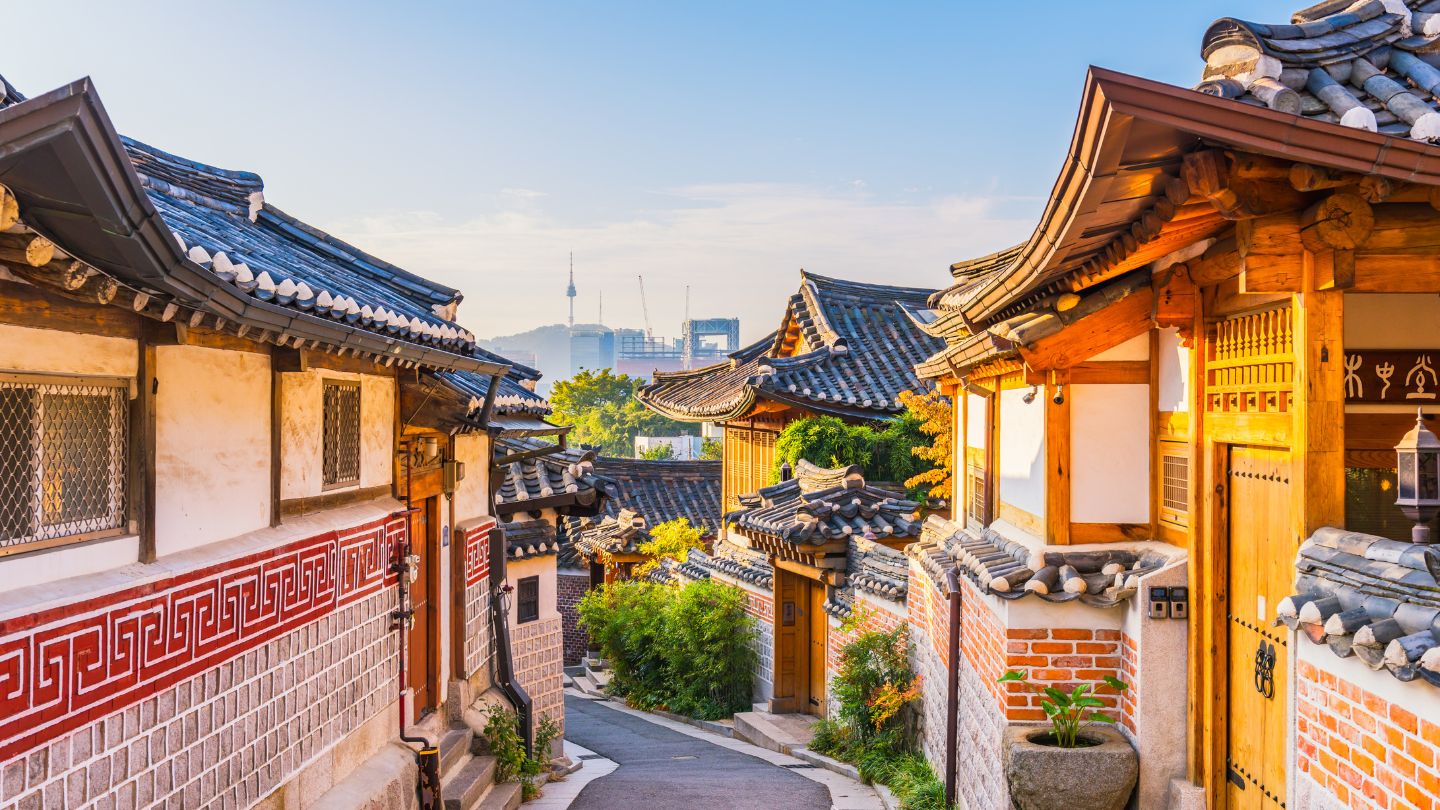
Flight Duration and Major Airports
The average flight duration from the UAE to Japan is around 9 to 11 hours, depending on your departure city. Major airports in Japan include:
Tokyo Narita International Airport (NRT)
Tokyo Haneda International Airport (HND)
Kansai International Airport (KIX) in Osaka
Compare departures from Zayed International Airport in Abu Dhabi (AUH) and Dubai International Airport (DXB), using the operating schedule for your actual travel dates.
UAE–Japan flights and operating airlines
Compare the operating airline, departure airport and Japanese arrival airport—not just the marketing name shown on a ticket.
Emirates: compare its Dubai–Tokyo services and confirm your selected airport and travel date.
Etihad Airways: compare its Abu Dhabi–Tokyo services and confirm the schedule for your dates.
Codeshare tickets: the airline selling or numbering a flight may differ from the airline operating it. Check the operating carrier before comparing baggage, cabins and check-in arrangements.
Official flight checks: Emirates Dubai–Tokyo schedule · Etihad Abu Dhabi–Tokyo schedule. Routes and operating times can change; reconfirm your exact flights before booking.
Popular Destinations
Tokyo: Known for modern skyscrapers, shopping, and cultural landmarks like the Sensoji Temple.
Kyoto: Rich in cultural heritage, with traditional temples, shrines, and gardens.
Osaka: Famous for its vibrant nightlife and street food culture.
Mount Fuji: A must-visit for nature enthusiasts and climbers.
For more information on attractions in Japan, check out our Japan destinations guide.
Transportation in Japan
Compare point-to-point tickets and regional passes with the nationwide JAPAN RAIL PASS for your exact route. Eligible travellers can purchase through the official reservation website or an authorised overseas agency; purchase and collection requirements depend on the channel. Eligibility is checked at collection, including the required Temporary Visitor evidence for foreign visitors. The pass is not an unconditional ticket for every Shinkansen service: Nozomi and Mizuho require an additional pass-holder ticket. Check the official purchase options, eligibility requirements and Nozomi/Mizuho rules before paying.
Accommodation
For a comfortable stay, book your accommodation near major attractions. Options include:
Luxury Hotels: The Peninsula Tokyo, Four Seasons Kyoto
Budget-Friendly: Capsule hotels, hostels, and Airbnbs are available for travelers on a budget.
Family rooms and luggage: details to settle before booking
Check the exact room category, floor area and maximum occupancy, and give each child’s age at the stay. Request the bed arrangement in writing: a separate bed or sharing a parent’s bed? Are an extra bed, cot or connecting rooms confirmed, or merely requested? Compare the route to a useful station entrance and lifts, not only the map distance. These are quotation checks, not a promise about a particular hotel.
For suitcases on the Tokaido, Sanyo, Kyushu and Nishi Kyushu Shinkansen, combined length, width and height over 160 cm and up to 250 cm requires a seat with an oversized-baggage area. Do not apply this rule to every Japanese train. Check JR Central’s baggage rules.
Before forwarding luggage, confirm that both hotels can send and receive it and obtain the carrier’s delivery date. Yamato’s hotel service depends on reception arrangements; same-day delivery is limited by service points, destinations and cut-off times. Do not build an intercity transfer around assumed same-day arrival. Keep passports, medicines, children’s essentials and an overnight bag with you. References: hotel-to-hotel delivery and same-day service limits.
Targeted baggage and delivery-source review: 15 September 2026. Ask Kafu’s quote to identify the room category, bed arrangement, train reservations and included or excluded luggage services. Other sections retain their stated review dates.
Halal meals: confirm the restaurant, not just the dish name
Seafood or vegetarian wording is not a halal guarantee. JNTO notes that cooking sake and mirin are used in Japanese food and that a Muslim-friendly label does not necessarily mean a separate halal kitchen. Confirm ingredients, preparation and any certification with the specific restaurant. Plan a suitable meal stop near each day’s activities instead of relying on a destination-wide promise. See JNTO’s Muslim-traveller guidance.
Budgeting for Japan
Flight costs: request a dated quotation for your airports, dates, traveller ages, cabin and baggage. A generic price range is not confirmation of an available fare.
Accommodation: compare the same dates, room occupancy, hotel location, meals, taxes and cancellation terms. Obtain a total for the whole stay, not only a nightly headline price.
Daily spending: separate intercity trains, local transport, meals, admissions and optional tours. Build the budget from your planned activities and a current exchange rate rather than treating one fixed daily amount as suitable for every trip.
For a comparable family total, add quoted flights and baggage, all room nights, intercity and local transport, meals, admissions, luggage services, taxes and insurance where applicable. Mark what is already included so it is not counted twice. Ask which costs are per person, per room or per vehicle, which currency you pay in, and when the quote expires. A refundable deposit or card hold affects available spending money but is not automatically a final trip cost.
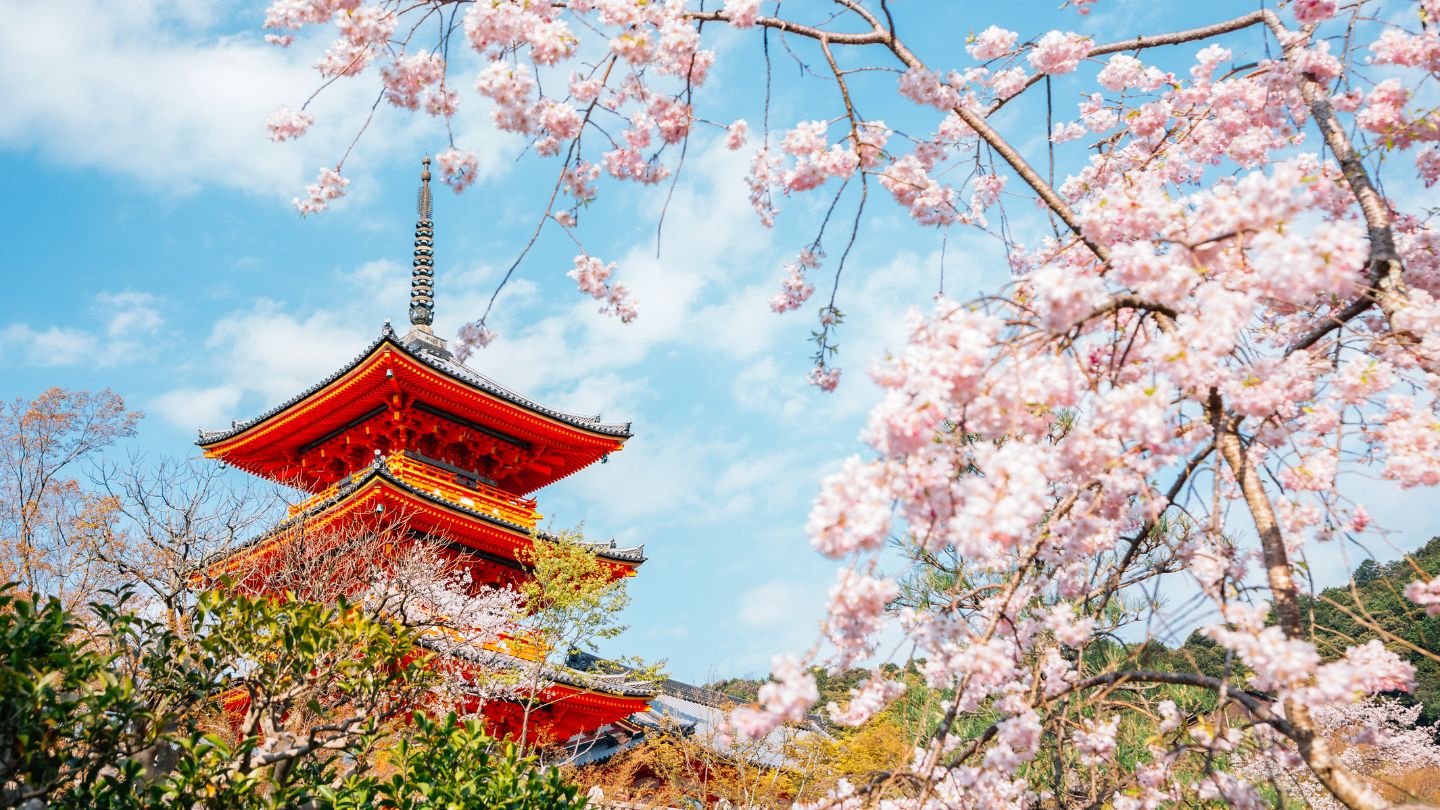
Planning Tips
Book with a plan: research early for busy travel periods, but compare actual quotes, availability and cancellation conditions. Booking a fixed number of months ahead does not guarantee the lowest price.
Use Public Transportation: Japan’s public transport is efficient and cost-effective.
Prepaid Data SIM: Stay connected by getting a data SIM or portable WiFi.
For more travel packages, check our Japan Travel Packages.
Get detailed visa information from the Japanese Embassy in UAE.
10-day Japan family itinerary: nine nights, three bases
This illustrative land itinerary uses four nights in Tokyo, three in Kyoto and two in Osaka: nine nights across ten local days. It is not the same duration or a price promise for Kafu’s separate eight-night package. International flight dates may add travel time outside this outline. Check the actual arrival and departure airports before fixing hotel nights.
Day 1 — Tokyo: arrive, check in and keep the evening close to your hotel. Nights 1–4 are in Tokyo.
Day 2 — Tokyo: choose Asakusa and one nearby stop rather than crossing the city repeatedly; allow breaks for children.
Day 3 — Tokyo: combine Meiji Shrine or Harajuku with Shibuya, choosing the stops that fit your walking tolerance.
Day 4 — Tokyo: keep one flexible day for a booked attraction, a family activity or rest. Do not add a distant excursion solely to fill the day.
Day 5 — Tokyo to Kyoto: allow time for checkout, station access, your reserved train and hotel check-in. Keep sightseeing light. Nights 5–7 are in Kyoto.
Day 6 — Kyoto: focus on one part of the city, such as the eastern temple districts, rather than a checklist of widely separated sights.
Day 7 — Kyoto: choose Arashiyama or a Nara day trip according to your interests and energy, not both in the same rushed day.
Day 8 — Kyoto to Osaka: transfer with your luggage, check in and choose a nearby neighbourhood for the evening. Nights 8–9 are in Osaka.
Day 9 — Osaka: plan one principal attraction or a relaxed city day. Hiroshima is not assumed to fit into this family outline.
Day 10 — Departure: arrange the airport transfer around your confirmed flight. A return flight from Tokyo requires a separately planned return journey and buffer, not an assumed last-minute connection.
With eight nights, an alternative is three in Tokyo, three in Kyoto and two in Osaka; it is still only a planning outline, not a statement of package inclusions. To add an overnight Hakone stay, replace another night or extend the trip and check the luggage plan. Do not treat the extra transfer as a free addition.
Practical planning tips for this route
Compare an open-jaw ticket into Tokyo and out of Osaka with a standard return ticket before booking.
Use luggage forwarding between major hotels when carrying large bags, and travel with an overnight bag for short stops.
Reserve Shinkansen seats in busy travel periods and reserve the appropriate luggage space when travelling with oversized baggage.
Compare point-to-point train tickets and regional rail passes instead of assuming the nationwide Japan Rail Pass is always the lowest-cost option.
Check current entry requirements, operating days and reservation rules shortly before travel because policies can change.
Conclusion
With proper planning, your Japan trip from UAE can be an unforgettable adventure. Explore the vibrant cities, immerse yourself in rich culture, and discover the natural beauty Japan has to offer. Start planning your journey today and get ready for the experience of a lifetime!
What should a Japan tour package from Dubai include?
Flights that match the route instead of forcing unnecessary backtracking.
Well-located hotels near useful rail or metro connections.
Intercity transport planning between Tokyo, Kyoto and Osaka.
A mix of private touring and free time instead of an overpacked schedule.
Airport transfers and responsive support when the itinerary is complex.
See Kafu’s current Japan holiday package from the UAE for a ready-made starting point that can be tailored to your dates and travel style.
Targeted flight, rail-pass and budgeting review: 10 September 2026. Airline and JR Group sources are linked in the corrected sections. Other retained sections keep their stated review dates; confirm changing travel requirements and commercial terms before booking.
Targeted route, budget and dietary-guidance review: 16 September 2026. The itinerary and costing method are editorial planning tools, not a live quotation. JNTO’s travelling-with-children guide provides additional family context. Existing visa, rail and luggage sections retain their stated review scope.